Bee and Wasp Venom Allergy (Anaphylaxis)
Bee venom allergy is the most common cause of insect‑sting–induced anaphylaxis in both humans and dogs in Australia. The primary culprit is the honeybee, although allergic reactions have also been reported following stings from other insects such as wasps and jack jumper ants. These reactions are less common than honeybee venom allergy.
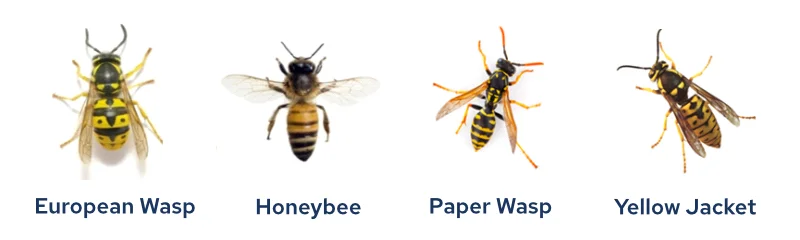
Honeybees have a barbed stinger that becomes lodged in the skin during a sting, resulting in the bee’s death and preventing it from stinging again. In contrast, wasps can sting multiple times, as their stingers do not remain embedded.
What Are the Clinical Signs?
Reactions to bee or wasp stings can vary significantly in severity. These may range from:
- Mild, localised swelling at the sting site (a typical toxic venom reaction rather than a true allergy), to
- Severe systemic allergic reactions (anaphylaxis), which can be life‑threatening and require urgent veterinary care.
Desensitisation (Bee or Wasp Venom Vaccine)
Venom immunotherapy (desensitisation) is a highly effective treatment for pets with confirmed venom allergies.
Studies show that 85–90% of dogs receiving venom immunotherapy do not experience severe systemic reactions following subsequent confirmed bee stings. Approximately 25% of dogs experience no reaction at all.
While mild reactions—such as localised swelling or a mild systemic response—may still occur, these are typically far less severe than prior reactions.
Overall, venom immunotherapy is considered highly effective and is strongly recommended for pets with a history of venom‑induced anaphylaxis.